Designing technology for the times it matters most
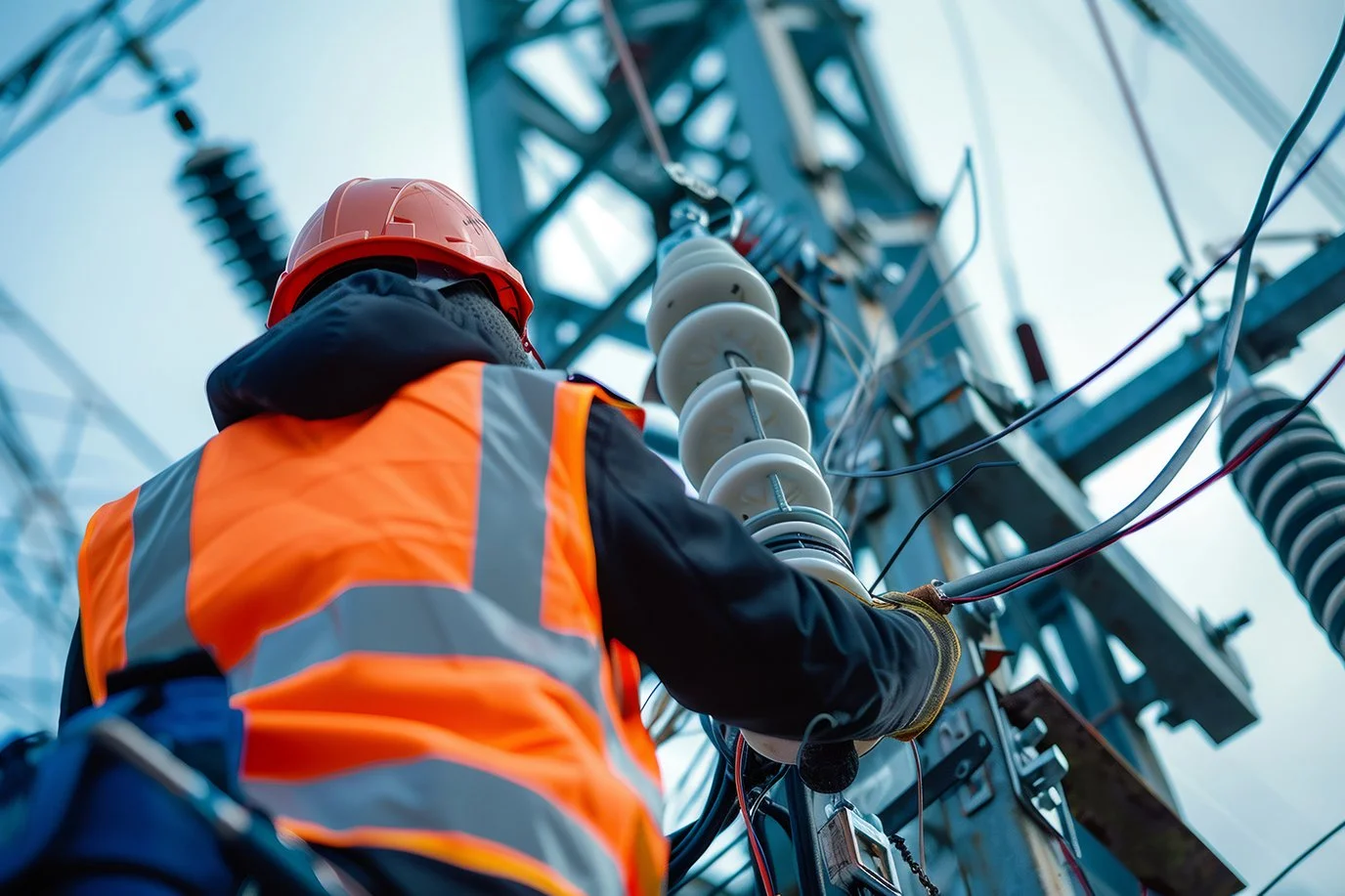
In most industries, technology is about efficiency, optimisation, and scale. But in essential services, it’s about something else entirely. People. In healthcare, aged care, emergency services, and critical infrastructure, technology decisions don’t sit neatly on a roadmap.
They show up in real situations - a clinician who needs access to patient records without delay, a responder relying on uninterrupted connectivity, or any other essential service that must remain available, when everything around it is falling apart.
In these moments, technology isn’t just supporting work, it’s supporting lives. And to ArchiTech, that reality totally changes how technology should be designed, delivered, and supported.
When reliability becomes a responsibility
Resilience is often talked about as a metric: uptime percentages, recovery times, performance benchmarks. But for organisations delivering essential services, resilience is more of a promise. A commitment that systems will hold up under pressure, or that change won’t disrupt critical operations.
Designing for this level of reliability requires more than strong platforms. Organisations need sound judgement, understanding of how systems behave in live environments, how people actually use them, and how small decisions made early can have significant consequences later. It’s the difference between deploying technology that looks right on paper and delivering infrastructure that continues to work when demand peaks or an unexpected event occurs.
Technology doesn’t exist in isolation
In high-stakes environments like those, technology decisions ripple outward. For example, a network upgrade affects clinical workflows, security controls impact access in urgent situations, and system outages interrupt key services that people rely on. That’s why designing technology for essential services means designing with people at the centre. This takes an acute understanding of the human context around each system. We need to ask ourselves who relies on it, when they rely on it, and what happens if it’s not there?
“This is where a purely product-led approach falls short.”
Tools alone simply don’t create resilience. The way those tools are integrated, supported, and evolved over time is what will ultimately determine whether an environment feels stable or fragile.
Experience as a service
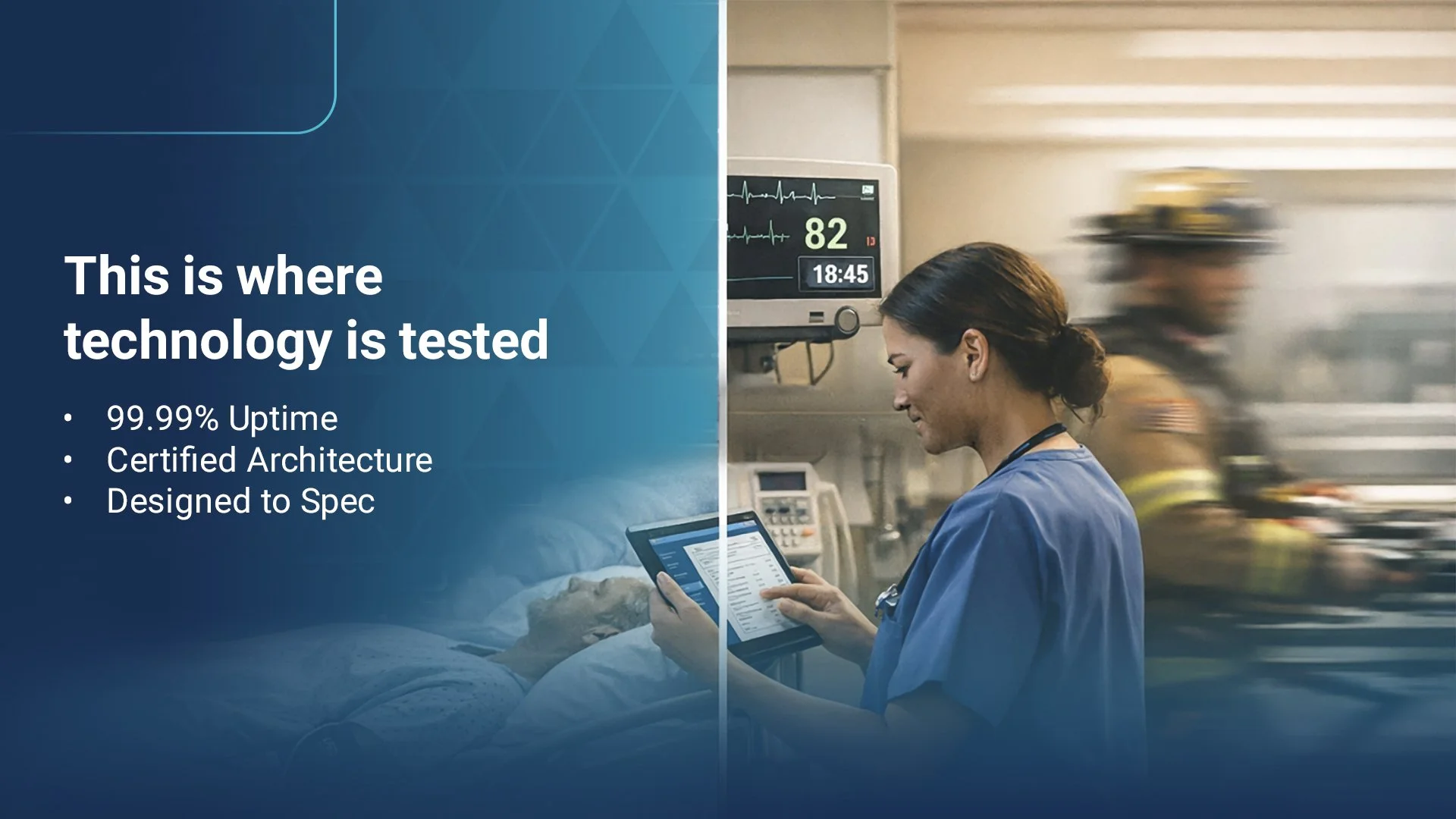
The strongest technology partners don’t choose between accreditation and experience, they bring both. Certifications and accreditations matter because they prove depth, discipline, and commitment to doing things the right way. And in essential services, they’re the foundation trust is built on. But real confidence comes from what happens when that accredited expertise is tested.
“We pair formal capability with real-world experience.”
The best partners are able to apply standards with judgment, spot pressure points early, and make decisions that hold up over time. This balance is what turns technical excellence into operational confidence, and it’s what gives organisations the assurance they need to keep moving forward, even when the stakes are high and there’s no margin for error. As a long-term Cisco partner, our accredited capability is matched by nearly two decades of delivering and supporting Cisco solutions in live, high-pressure environments.
Designing with care
“We believe that the way technology is delivered matters just as much as what is delivered.”
Supporting essential services means staying accountable beyond go-live, remaining close to our customers, and caring deeply about the outcomes our work enables. For nearly two decades, we’ve partnered closely with Cisco to design and deliver secure networking, cybersecurity, collaboration, cloud, and IoT solutions for environments where reliability isn’t optional. That long-standing partnership means we implement world-class solutions, but it’s the way we apply them that makes the difference.
Our commitment to care shows up in design that considers end use, infrastructure built to absorb change rather than break under it, systems that anticipate pressure and continue to perform quietly in the background, so frontline teams can focus on what matters most.
Built for the moments that matter
“The best technology doesn’t draw attention to itself, it just works.”
Well-designed solutions fade into the background, doing their job consistently and securely. Making them more than just technology-based solutions. Because they give leaders confidence that systems will behave as expected, and teams get the freedom to focus on people, instead of troubleshooting platforms.
In essential services, those outcomes aren’t numbers on a screen, they’re people. Which is where we stand apart. Because we know that designing technology for critical moments means accepting responsibility for those outcomes, combining deep technical expertise with empathy, and holding a true understanding of what’s truly at stake.
Trusted expertise for essential services
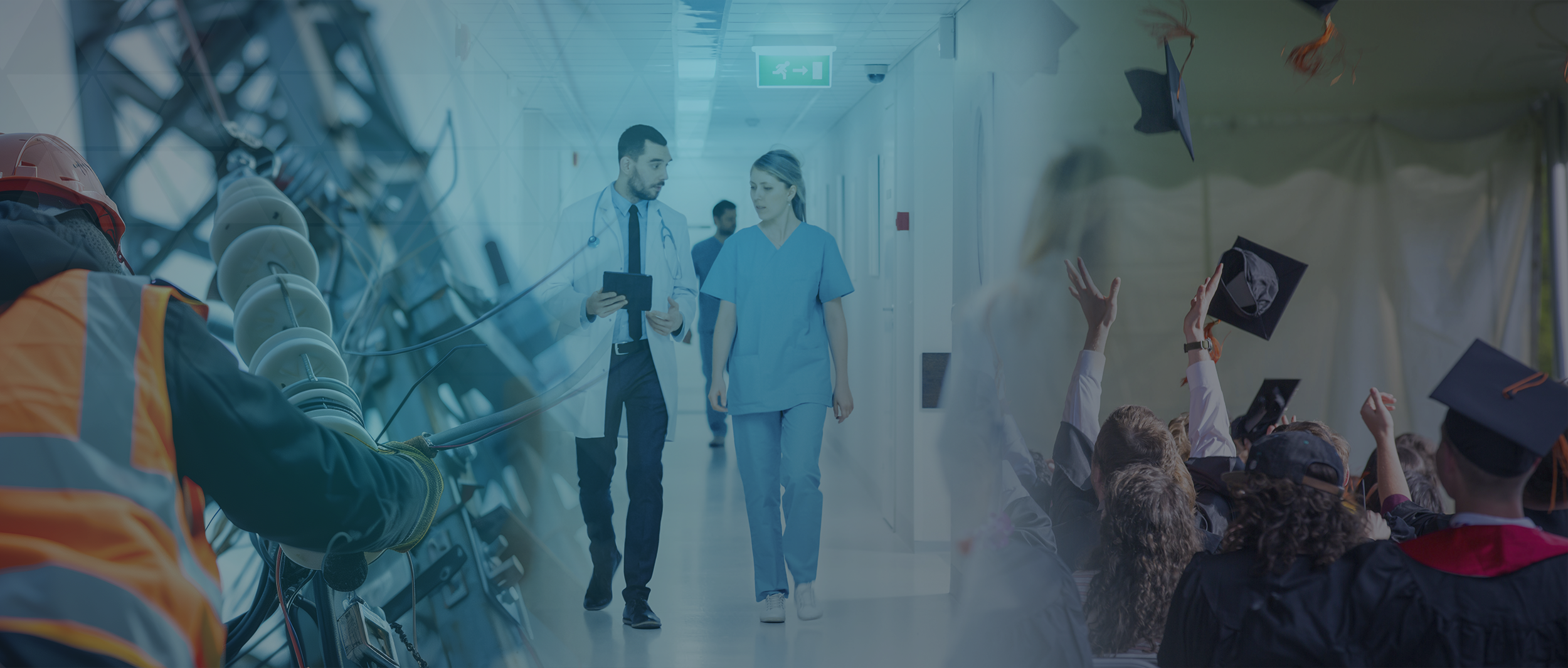
Having delivered to the highest standards in Health and Aged Care, our capabilities and focused approach to client engagement have scaled across a wide range of crucial sectors, including Utilities, Education, Resources & Mining, Law Enforcement, Construction, Emergency Services, Transport & Infrastructure Services, and Government Services.